The “B” in Fall Protection – Body Support
Welcome to a new episode of Feature Friday! We’re continuing our series on the ABCDs of Fall Protection, helping you stay informed, compliant, and safe when working at heights. If you missed our last episode on anchorage, be sure to check it out—it lays the foundation for everything we’ll cover in this series.
Introduction: What is Body Support?
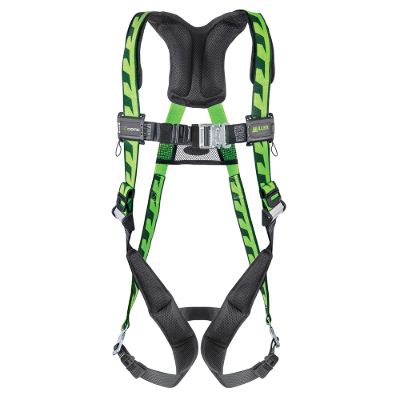
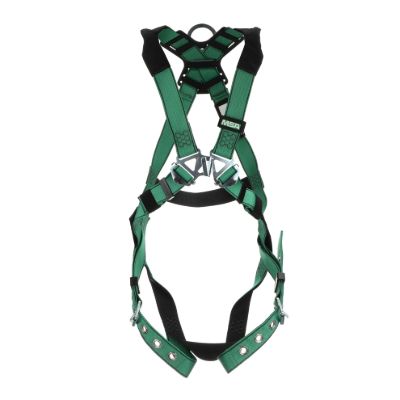
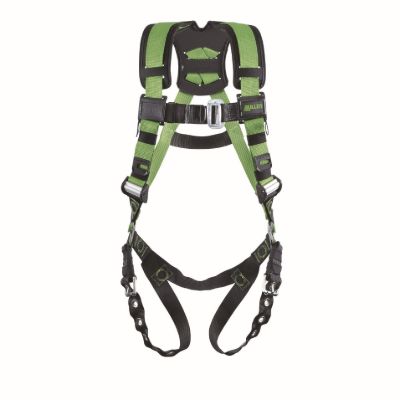
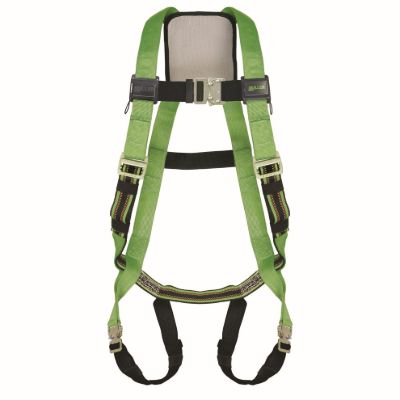
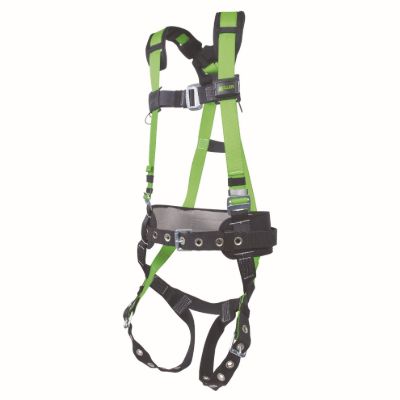
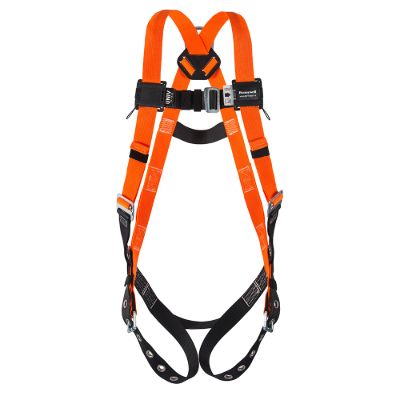
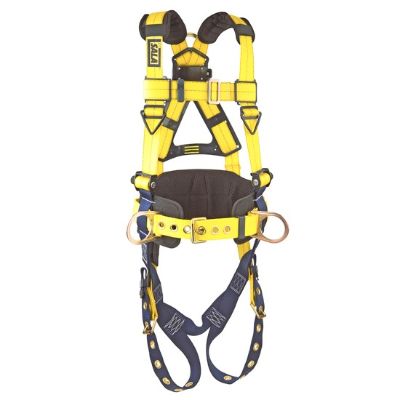
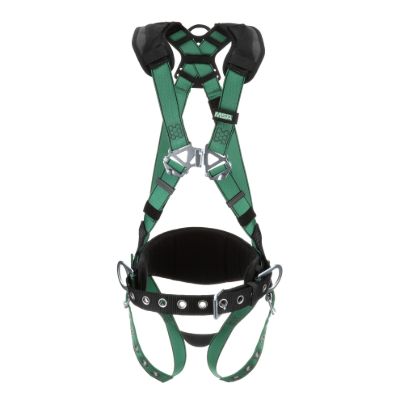
Body support is a fundamental part of any fall protection system. Its purpose? To keep workers secure, properly positioned, and protected in the event of a fall. While full-body harnesses are the industry standard, there are also specialized options—such as body belts and work seats—that serve specific roles. At MacMor, we offer a wide range of high-quality harnesses that prioritize safety, comfort, and mobility to meet your job’s unique needs. In this week’s Feature Friday, we’re highlighting the key features of body harnesses, explaining the different types available, and walking through how to fit and inspect them properly.
Types of Full-Body Harnesses
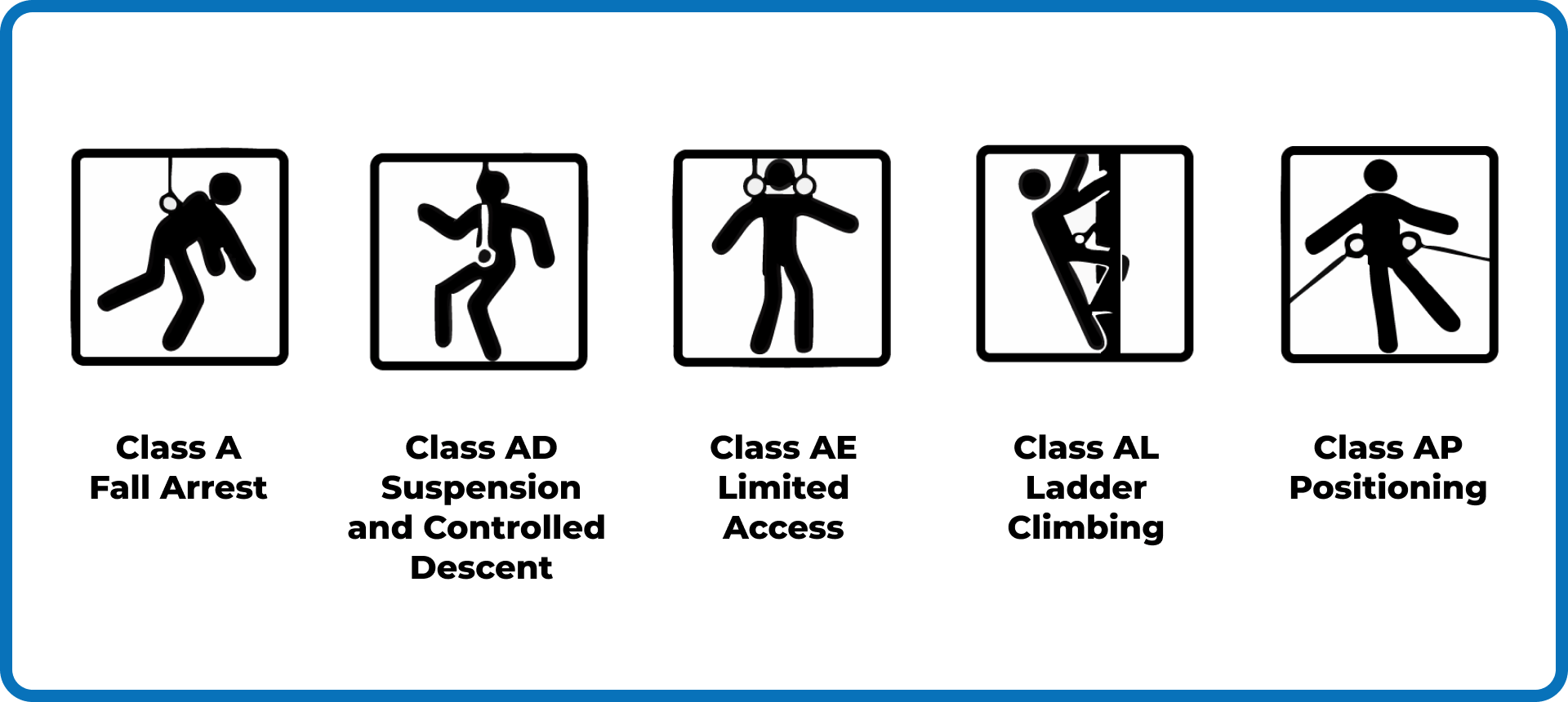
According to CSA standards, there are five distinct classes of full-body harnesses, each designed for different types of work:
- Class A – Fall Arrest
- Class AD – Suspension & Controlled Descent
- Class AE – Limited Access
- Class AL – Ladder Climbing
- Class AP – Work Positioning
Used when working 1.8 m (6 ft) or more above ground. These harnesses feature a dorsal D-ring located between the shoulder blades, designed to keep you upright during and after a fall.
These harnesses support workers being raised or lowered at the worksite. They include a D-ring at the chest, waist, or both, depending on the design.
Ideal for confined space entry/exit, AE harnesses include shoulder D-rings that allow for near-vertical movement during retrieval operations.
Designed for use with vertical ladder safety systems, these harnesses feature a front chest D-ring for secure attachment to a vertical lifeline or rail.
Used to hold the worker in place while allowing full use of the hands. These harnesses include hip D-rings and limit any free fall to 61 cm (2 ft) or less.
Bonus: There are also Arc Flash–rated harnesses, typically constructed with Kevlar webbing to resist heat, flame, and welding spatter.
Key Features to Look For in a Harness
Choosing the right harness is only part of the equation—understanding its features is just as important:
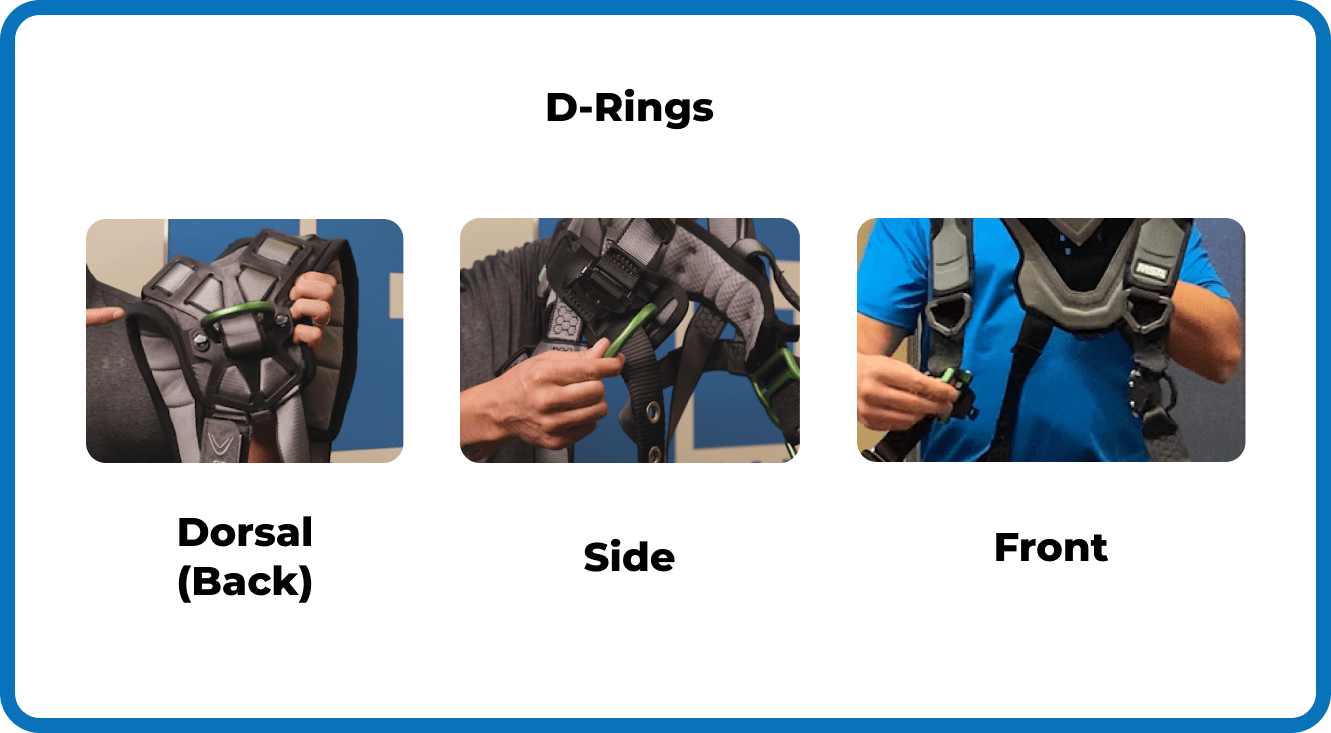
D-Rings
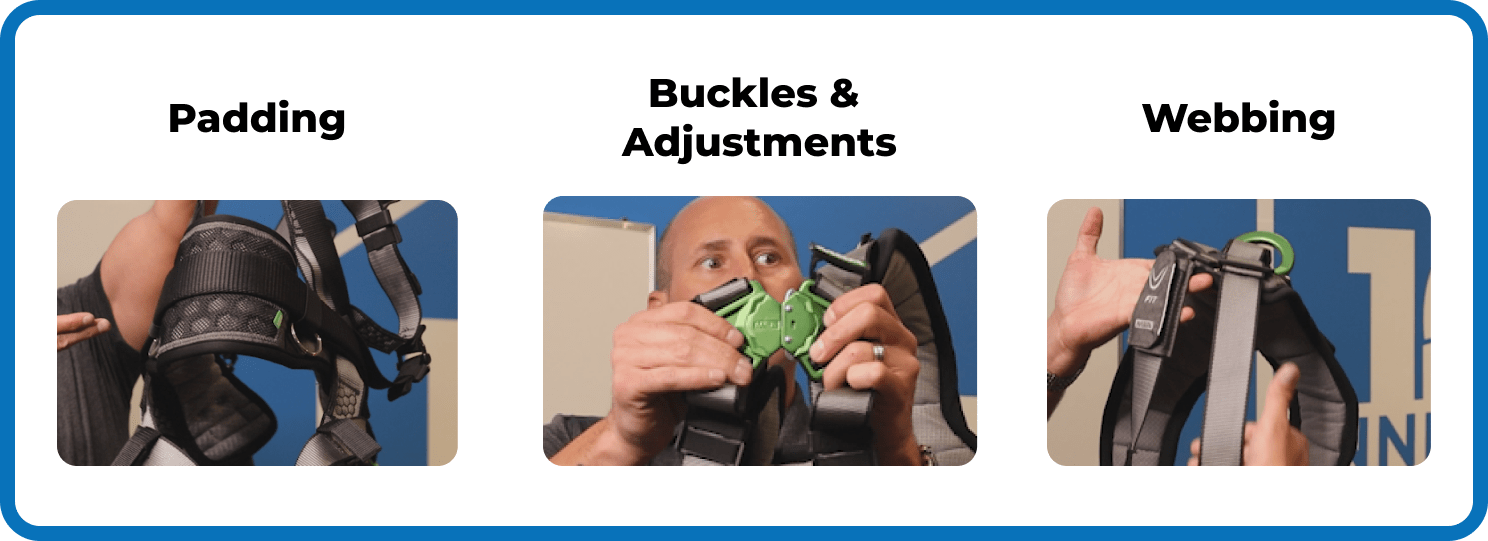
Padding
Buckles & Adjustments
Webbing
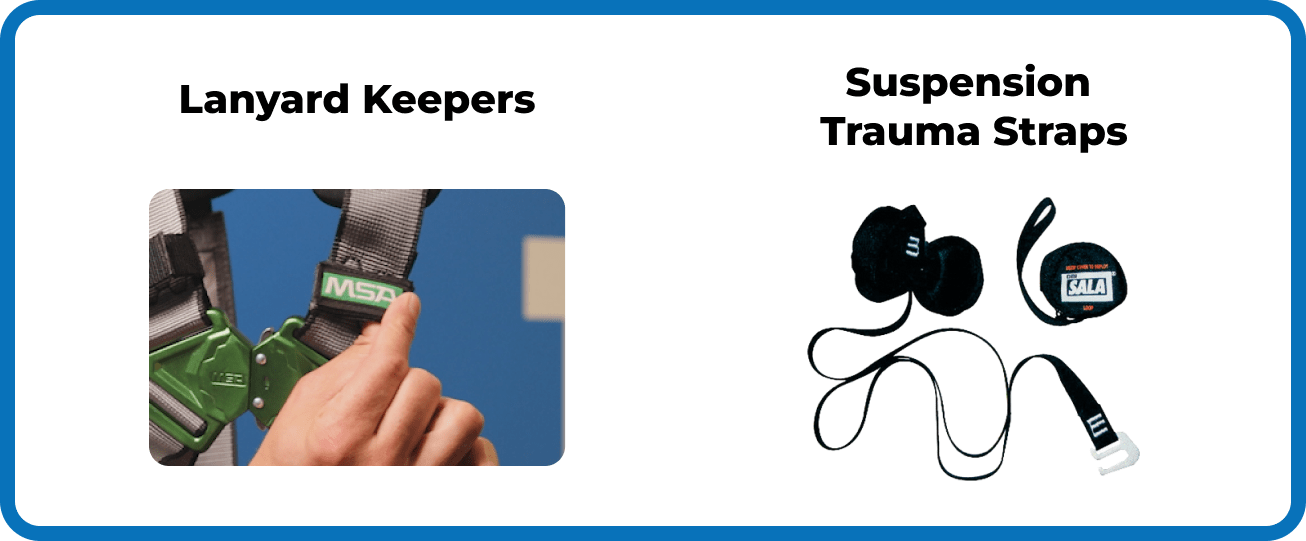
Lanyard Keepers
Suspension Trauma Straps
Proper Fit & Adjustment
A properly fitted harness is essential for both comfort and safety. Here's what to remember:
Inspection & Maintenance
Pre-Use Inspection
Maintenance Tips
Retirement Guidelines
Your body support system is your last line of defense. Make sure it’s:
✔️ The right class for the job
✔️ Properly adjusted for your body
✔️ Regularly inspected and well-maintained
For more products related to fall protection entry like harnesses, landyars, head protection and more, check out our 2025 Spring and Summer flyer