Connectors, What Links You to Safety
Connectors are the crucial link that ties a fall protection system together. Choosing the right one is key to ensuring that when you're working at heights, you're doing it safely and efficiently.
In today’s Feature Friday, we’re taking an in-depth look at lanyards, Self-Retracting Lifelines (SRLs), and Personal Fall Limiters (PFLs).
If you haven’t yet, be sure to check out our previous entries covering anchorage and body support in the ABCDs of Fall Protection series.
Lanyards vs Self-Retracting Devices
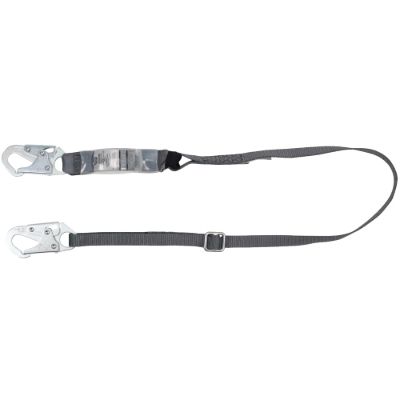
Lanyards
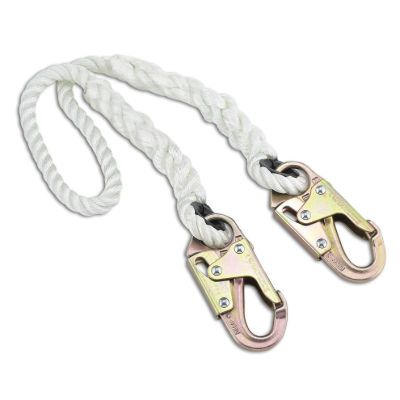
- Used for fall restraint or positioning, or to absorb shock in a fall.
- More affordable than SRDs, but only activates after the full length is deployed.
- Limited mobility; requires disconnecting to move.
- Traditionally used in aerial lift applications.
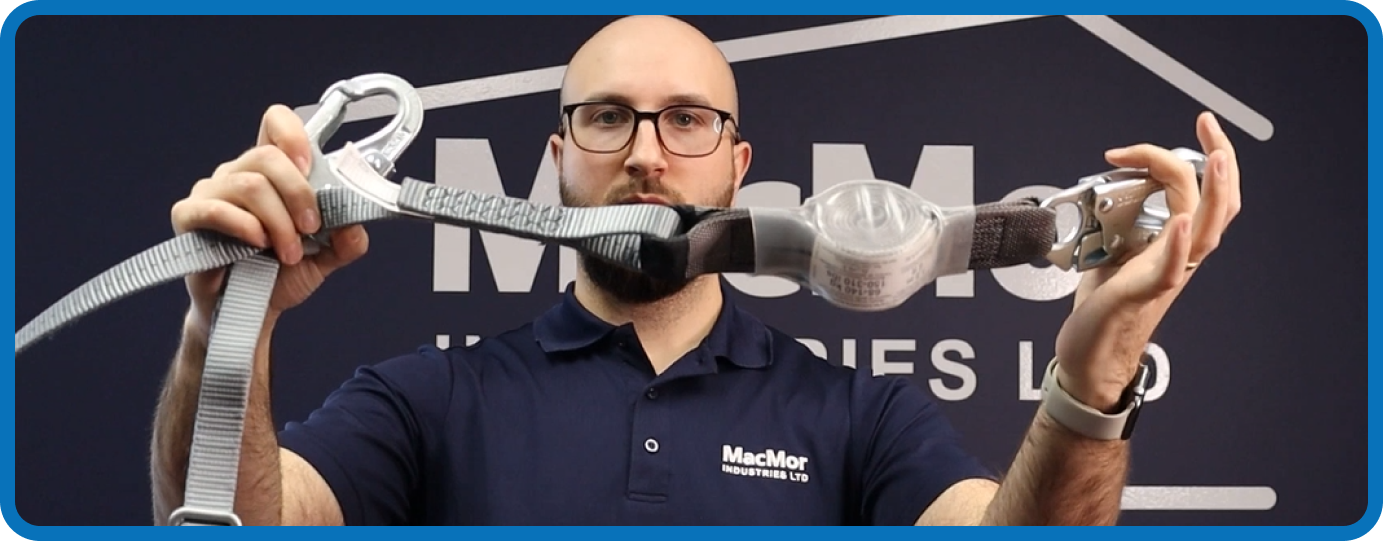
SRLs – Self-Retracting Lifelines
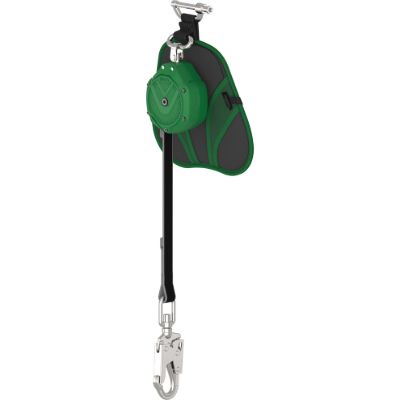
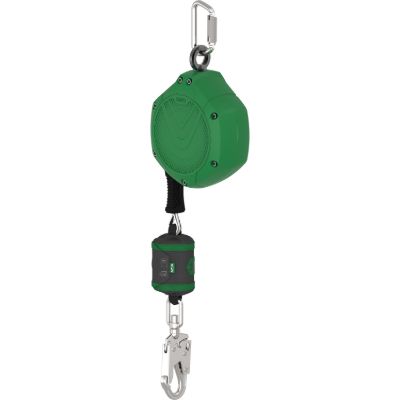
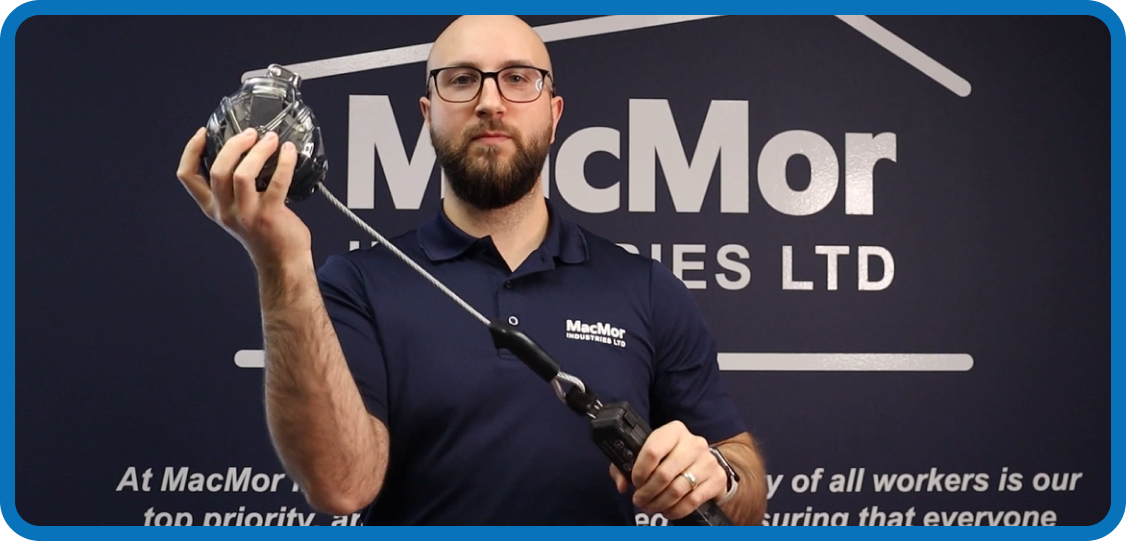
- Spring-loaded retracting web or cable mounted to an anchor point.
- Works like a seatbelt — brakes activate on sudden tension.
- Stops falls quickly, often within 2 feet.
- Prevents tripping hazards; working lengths from 9' to 175'.
- May not engage during slow or short-distance falls, such as on sloped roofs.
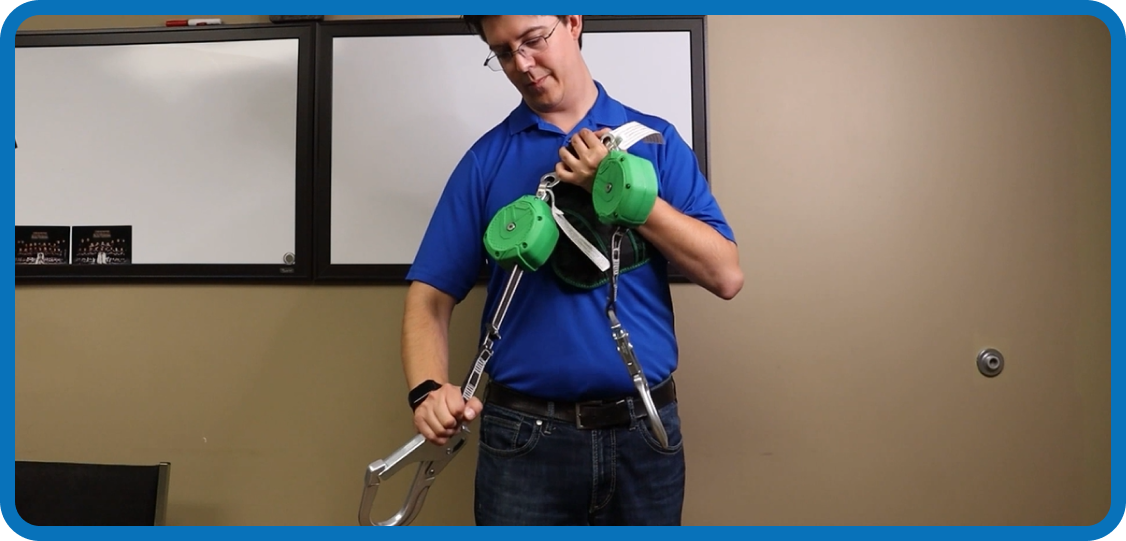
PFLs – Personal Fall Limiters
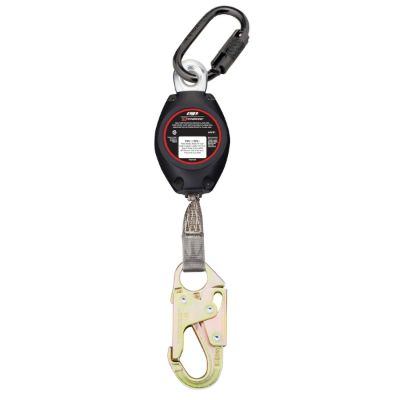
- Compact version of SRLs, attaches directly to the worker.
- Working lengths from 6’ to 10’; some models offer added comfort.
- Braking mechanism arrests short falls; offers mobility with swivel connectors.
- Available in single and twin-leg styles.
SRD Classification (CSA Standard)
- Class SRL – Anchored high, no edge contact allowed.
- Class SRL-R – Includes assisted rescue functionality.
- Class SRL-LE – Anchored below D-ring, allows edge contact.
- Class SRL-LE-R – Combines LE and rescue features.
Web vs Cable SRDs
SRDs typically come in two materials: steel cable and synthetic webbing.
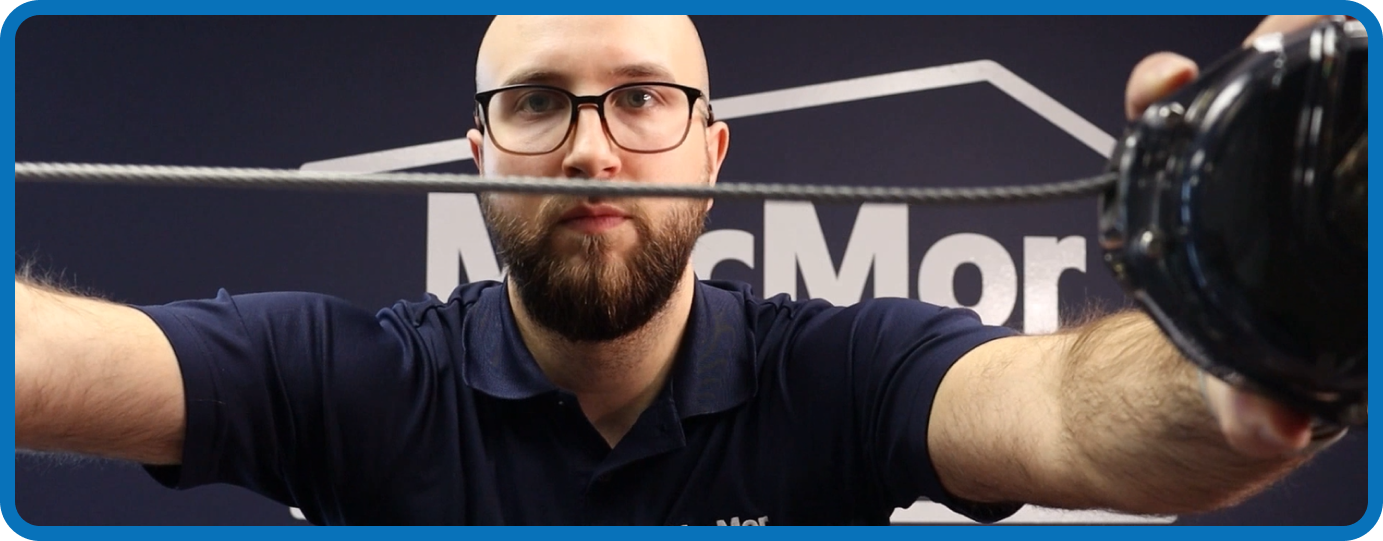
- Steel cable: More durable, ideal for heat-exposed or corrosive environments like steel mills and seaports. Not all are suitable for Leading Edge (LE) use.
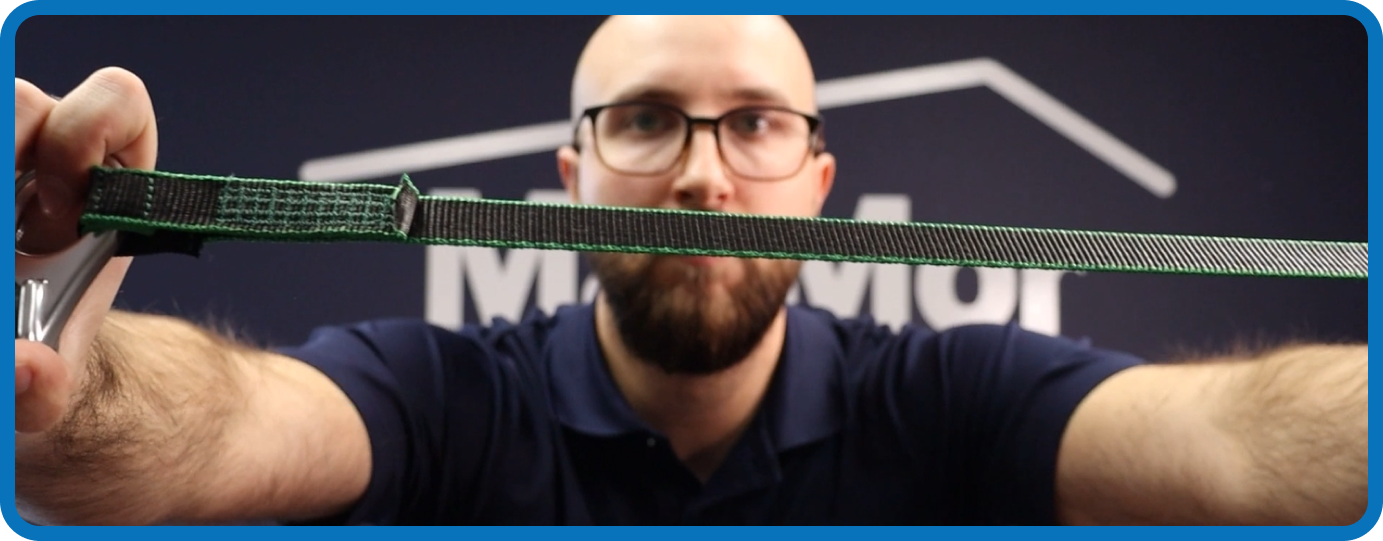
- Synthetic webbing (nylon/polyester): Non-conductive and lighter, preferred for environments like aircraft hangars or electrical work zones. More budget-friendly and gentler on sensitive equipment.
Measuring Fall Clearance
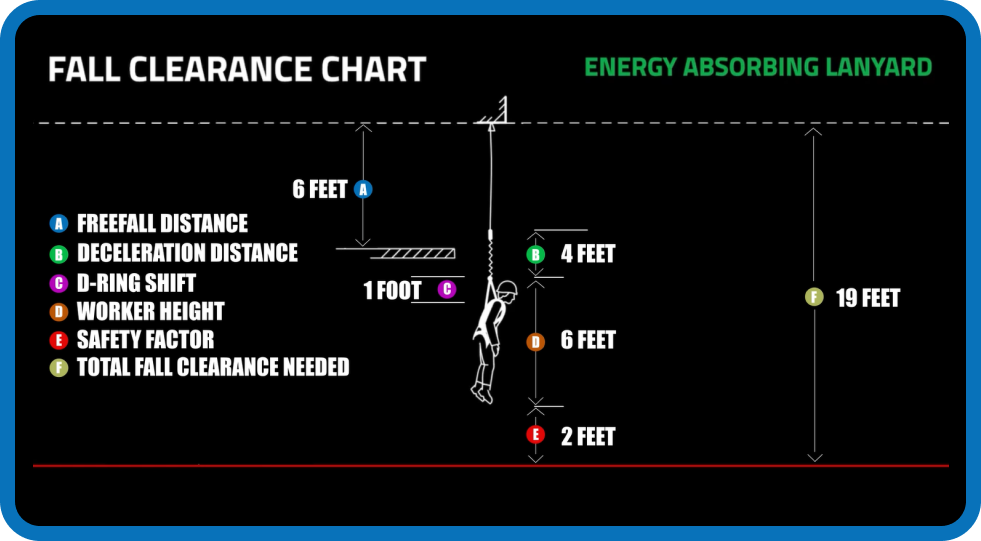
Fall clearance is the minimum distance needed to prevent a worker from striking the ground or lower level in the event of a fall.
Using Lanyards
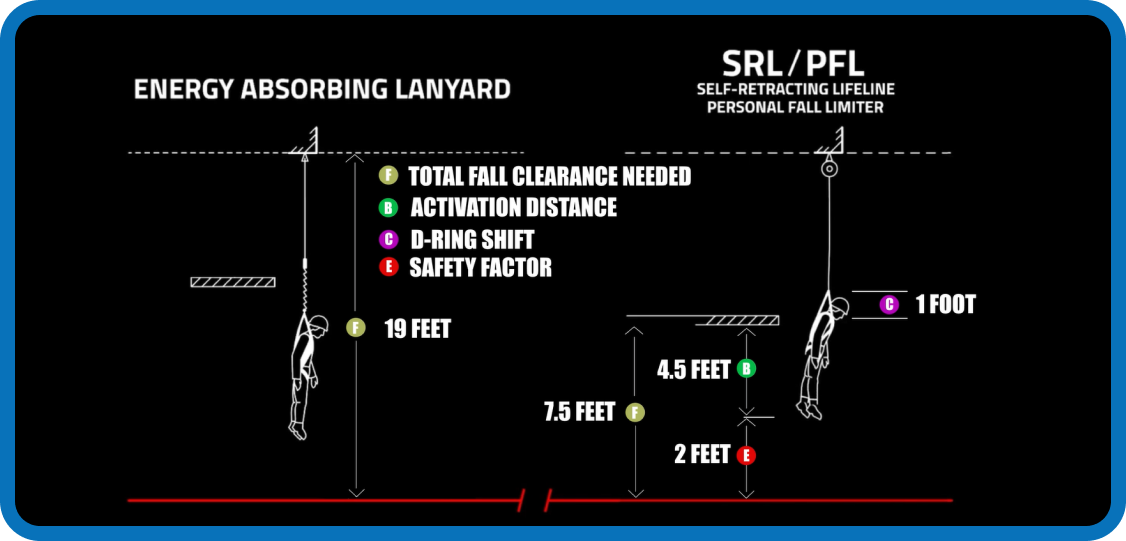
Clearance = Lanyard length + Deceleration distance (max 3.5’) + D-Ring shift (~1’) + Worker height + 2’ safety factor
Example: For a 6' lanyard and a 5’10” worker: 6’ + 3.5’ + 1’ + 5’10” + 2’ ≈ 18 feet of clearance.
Freefall distance is affected by anchor point location — subtract or add the vertical distance between anchor and D-ring accordingly.
Using SRDs
Clearance = Activation distance (max 4.5’) + D-Ring shift (~1’) + 2’ safety factor
Example: For the same 5’10” worker using an SRD: 4.5’ + 1’ + 2’ ≈ 7.5 feet of clearance.
Wrap Up
Whether you're using a basic lanyard or a high-tech SRD, proper selection and usage are essential. Don’t forget:
- Inspect all soft goods before each use.
- Follow manufacturer recommendations for SRL repair and recertification.
- When in doubt, ask your safety advisor or refer to the CSA standards.
Stay safe, stay connected.