Feature Friday: Descent and Rescue in Fall Protection
What happens after a fall? It’s a question not enough people ask — until it’s too late.
In today’s Feature Friday, we’re diving into the life-saving systems that come into play after the fall: Descent and Rescue.
This episode wraps up our series on the ABCDs of Fall Protection. If you haven’t yet, be sure to catch our previous episodes on Anchors, Body Support, and Connectors.
Why Descent & Rescue Matter
Descent and rescue systems are critical for ensuring that a fallen worker can be safely and quickly retrieved — or descend on their own — to avoid further injury or danger.
The right equipment, along with a clear and practiced plan, can mean the difference between a manageable incident and a life-threatening emergency.
Let’s explore the types of descent and rescue systems, how to use them, and best practices for planning, training, and inspections.
Types of Descent & Rescue Systems
Choosing the right system depends on your environment and specific hazards. These are some of the most common options available:
Controlled Descent Devices
Allow safe and steady descent in emergencies.
Examples: Rescue Utility Systems
Assisted Rescue Tools
Used when a worker cannot descend on their own and needs to be safely retrieved.
Examples: 3M DBI-SALA Rollgliss R550, DBI SALA 3500100
Retrieval Systems
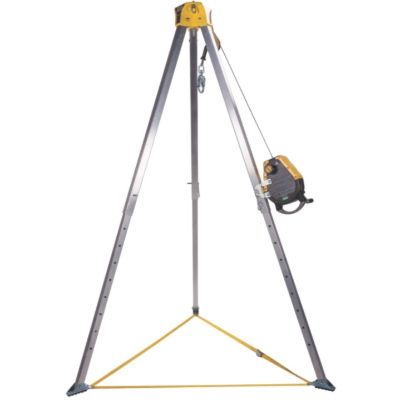
Designed to raise or lower a fallen worker, commonly used in confined space rescues.
Examples: MSA XTIRPA, Workman Rescue series with Winch and Pulley
Self-Rescue Devices
Allow a worker to initiate descent post-fall, or be activated by another in case of unconsciousness.
Example: MSA Latchways PRD (Personal Rescue Device)

Descent Devices: Automatic vs. Manual
Automatic Controlled Descent Devices
- Hands-free, consistent descent speed
- Ideal for emergency self-rescue or assisted evacuations
- Examples: Constant-rate descenders, pre-rigged rope systems
Manual Descent Devices
- User manually controls descent speed and braking
- Common in rope access and technical rescue work
- Often use friction-based braking systems
Rescue Systems & Equipment
- Winches and Pulleys: Used for raising or lowering during rescue, especially in confined spaces or high-angle areas.
- Ladders and Escape Devices: Fixed ladders or chutes used in towers, wind turbines, or tall buildings for emergency evacuation.
Developing a Rescue Plan
Every job site with fall risks must have a written and rehearsed rescue plan. Key components include:
- Identify all fall hazards and rescue scenarios
- Choose the most effective rescue method for each case
- Train all workers on rescue procedures and equipment
- Plan for post-rescue medical needs like suspension trauma
- Assign clear roles and responsibilities during emergencies
Training and Preparedness
- Provide hands-on training using actual rescue systems on site
- Conduct regular drills to test and improve response time
- Stay compliant with CCOHS fall protection and rescue regulations
Inspection and Maintenance
Regular Inspections
- Inspect before every use
- Check for cuts, frays, corrosion, deformation, or malfunction

Routine Maintenance
- Follow manufacturer instructions for servicing and recertification
- Store gear clean, dry, and away from direct sunlight and contaminants
Wrap-Up
Descent and rescue systems aren’t optional — they’re essential.
With the proper gear, a solid plan, and trained team members, you can drastically improve the outcome after a fall.
Always follow CCOHS and CSA standards, and stay current with industry best practices.
Thanks for joining us for this Feature Friday. Stay safe, and we’ll see you in the next episode!