
Illuminating Your Jobsite: Lighting 101
Lighting is often underestimated in safety planning, yet it plays an important role in preventing accidents and maintaining productivity across industrial and construction environments. This Feature Friday highlights why lighting should be treated as a primary safety control, not an afterthought.
Why Lighting is a Core Safety Control, Not Just a Comfort Feature
Inadequate lighting is directly linked to workplace incidents such as slips, trips, collisions and equipment-related injuries. Hazards like uneven flooring, moving machinery or equipment left on the ground are easily overlooked when visibility is compromised.
According to the Canadian Centre for Occupational Health and Safety (CCOHS), inadequate lighting is a contributing factor in many preventable workplace incidents. Research indicates that poor lighting can increase the risk of accidents by up to 30% due to reduced visibility and slower reaction times. When illumination levels do not match the complexity of the task or environment, workers experience slower reaction times, misjudged distances and missed hazards.
Source: CCOHS guidance on Lighting Ergonomics; corroborated by the International Labour Organization and HSE UK studies on lighting and safety.
Poor lighting also contributes to visual fatigue, headaches and stress, which reduce attention span and alertness. Studies show that workers in dimly lit conditions are more likely to make errors or overlook safety protocols, leading to both minor injuries and serious accidents.
How Lighting Impacts Productivity and Accuracy
Lighting does more than prevent accidents. It directly influences productivity and quality of work. For example:
- Precision tasks like wiring, inspection or assembly require high-intensity, focused task lighting to avoid mistakes.
- Material handling and equipment operation depend on uniform illumination to reduce misplacement, collisions or equipment damage.
- Emergency situations require a minimum of 10 lux of illumination along exit routes to ensure safe egress and rapid response, as outlined in the National Building Code of Canada (NBCC) and referenced in the Canadian Centre for Occupational Health and Safety (CCOHS).
The International Labour Organization (ILO) notes that workers in poorly lit environments can experience up to a 20 percent reduction in task accuracy, highlighting the link between proper lighting and overall operational efficiency.
Lighting Requirements According to Canadian Standards
Both CCOHS and CSA (Canadian Standards Association) emphasize that lighting must be task-specific rather than generic. Precision work such as wiring, inspection or calibration requires dramatically higher lighting compared to walking areas or storage zones.
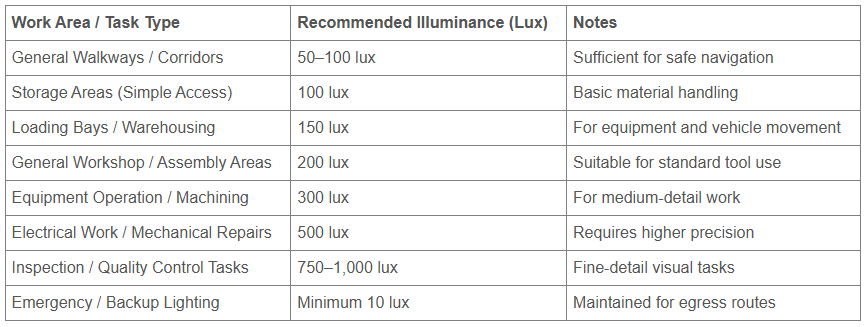
Additional considerations:
- Light colour and temperature: Neutral white (4000–5000K) is recommended for industrial tasks to reduce eye strain.
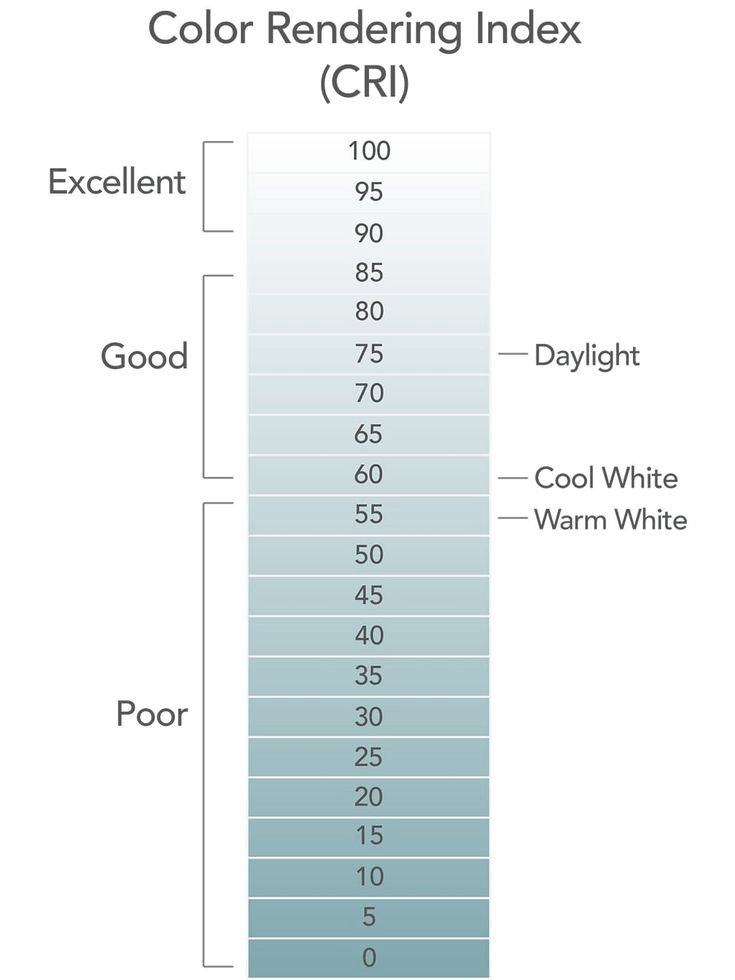
- Color rendering (CRI): High CRI lighting (80+) improves contrast perception and accurate color identification, important in quality control.
- Flicker-free lighting: Minimizes headaches and fatigue during prolonged tasks.

Visibility Challenges in Canadian Work Environments
Industrial and construction operations across Canada face unique lighting challenges:
- Extended low-light periods during winter months
- Early-morning or overnight shifts
- Enclosed areas without natural daylight
- Snow, fog and rain reducing contrast and depth perception
WorkSafeBC highlights that glare and shadowing can be just as hazardous as darkness. Seasonal reflections from wet or icy surfaces, metallic equipment and snow can create misleading shadows, increasing slip and trip hazards. A well-designed lighting plan must consider ambient, task and emergency lighting to maintain both safety and efficiency.
Common Lighting Solutions for Jobsites and Industrial Facilities
Selecting the correct lighting system is essential to match illumination with the task. Common solutions include:
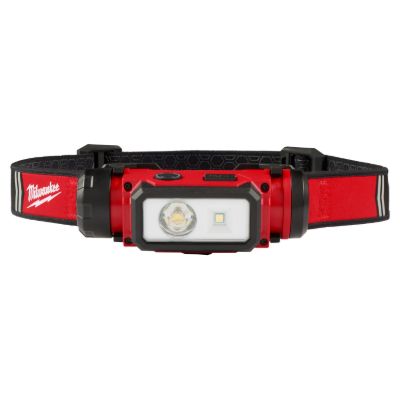
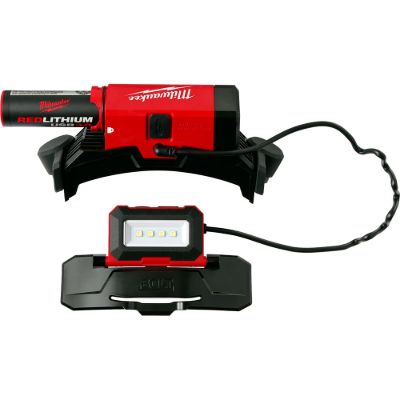
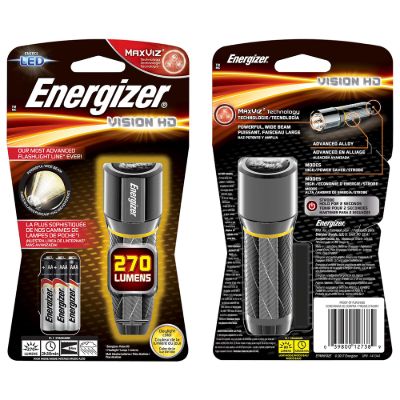
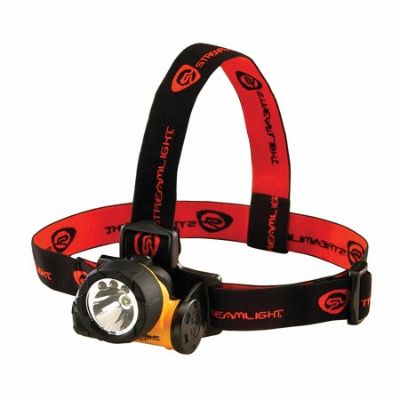

- Headlamps - Hands-free mobility, ideal for inspections or confined spaces. Modern LED models offer adjustable beam patterns.
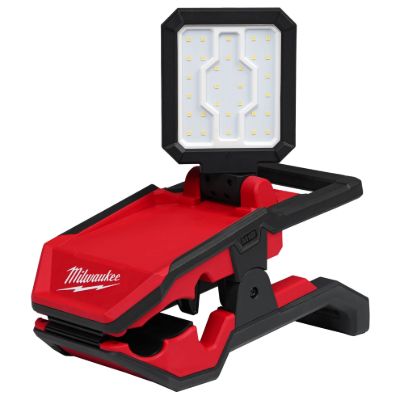
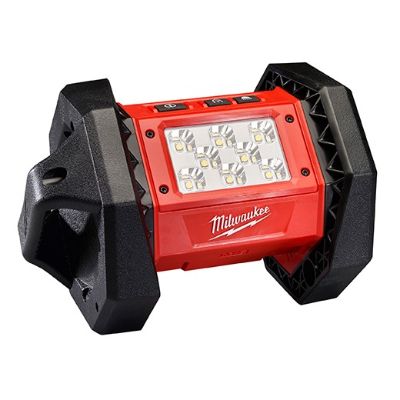
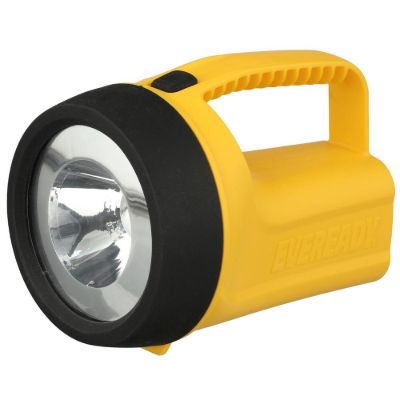
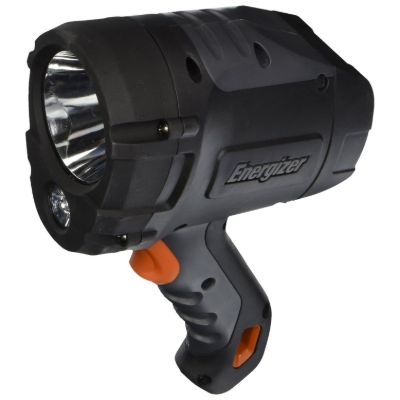
- Flood Lights / Jobsite Lights - Provide broad, uniform coverage to minimize shadows over open areas.
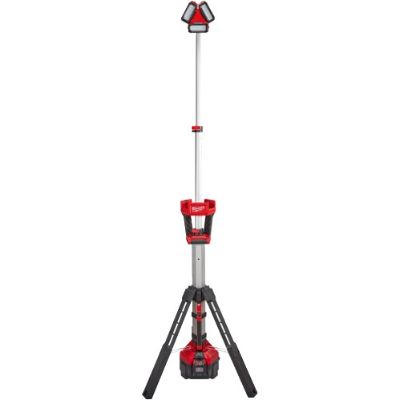
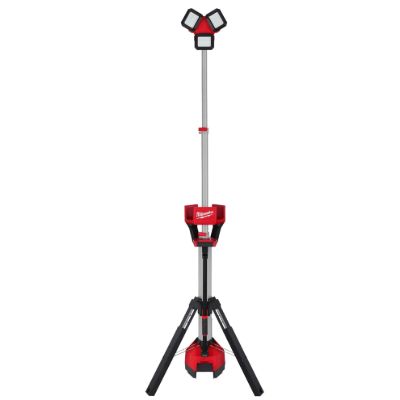
- Tower Lights - Portable, high-elevation lighting for large outdoor sites. Adjustable, mobile towers offer versatility for dynamic construction zones.
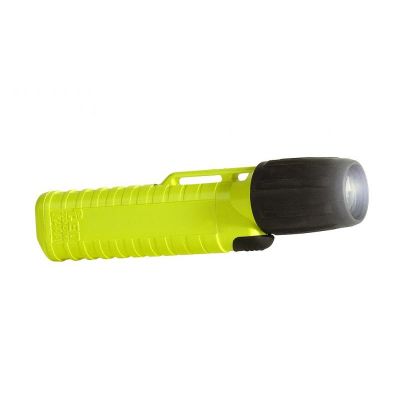
- Task Lights - Focused lighting for precision work, ensuring clarity without glare.
- String / Hanging Lights - Overhead illumination that keeps workspaces free of clutter.
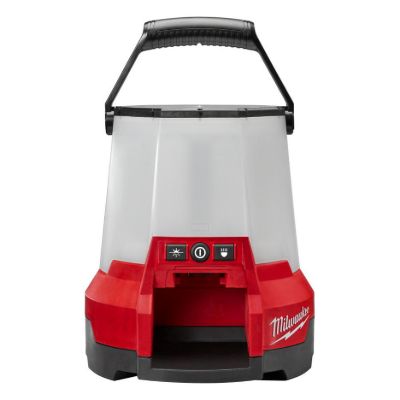
- 360° Lights - Omnidirectional lighting solutions for central placement in enclosed or wide areas.
Proper lighting design is about placement, intensity, color and coverage, not just brightness.
Maintenance and Best Practices
Lighting is effective only if properly maintained. Best practices include:
- Routine inspections of lamps, towers and portable fixtures.
- Immediate replacement of burned-out bulbs or damaged lenses.
- Regular cleaning of lenses and surfaces to prevent a 20–30 percent reduction in light output due to dust or grease.
- Glare management: adjusting angles or using diffusers to prevent harsh shadows or direct light into workers eyes.
- Emergency lighting tests: conduct monthly tests to ensure proper function during power outages.
Lighting should be managed proactively to prevent hazards before they occur and maintain consistent visibility across all work areas.
Supporting Safer, Brighter Workplaces
At MacMor, we provide a full range of lighting solutions tailored to industrial and construction professionals. From compact headlamps to high-output tower lights, we equip teams to work confidently, efficiently and safely in all conditions.
Improving visibility is one of the simplest and most cost-effective ways to enhance workplace safety, reduce errors and increase productivity.
Explore our latest lighting products in the Cool Comfort Flyer.
Stay safe, stay visible and we will see you next time!